McMaster Aerospace Team · Year 3
MAST Plane Design
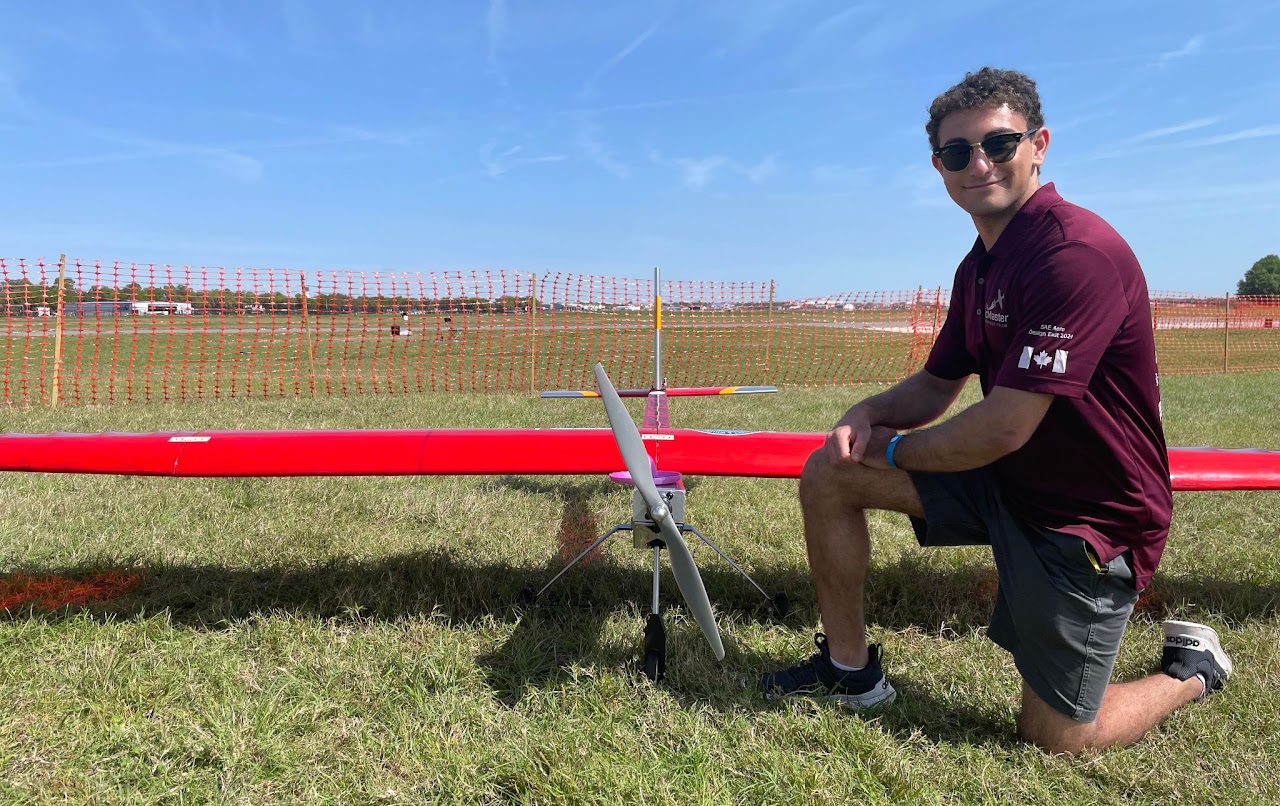
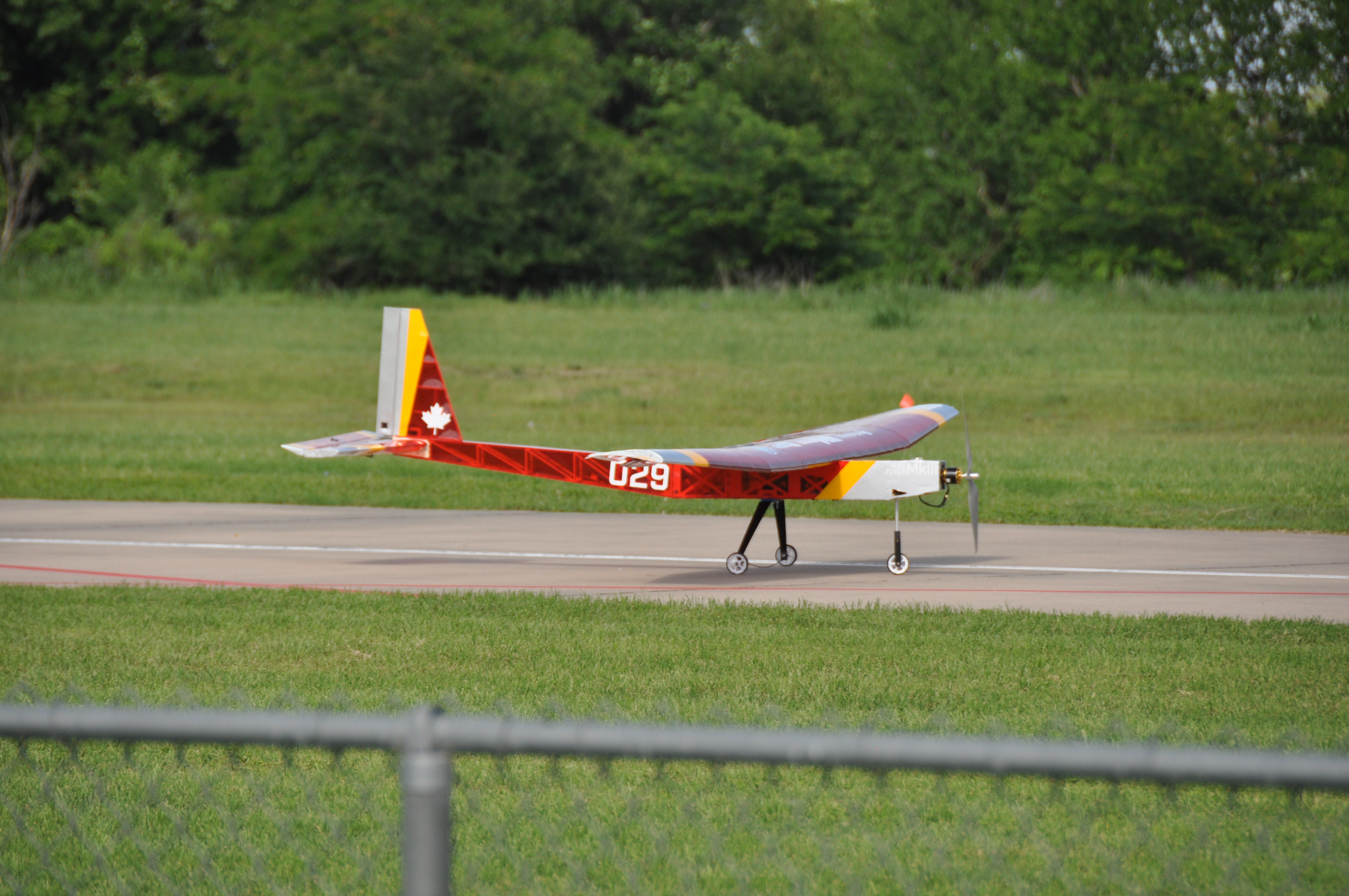
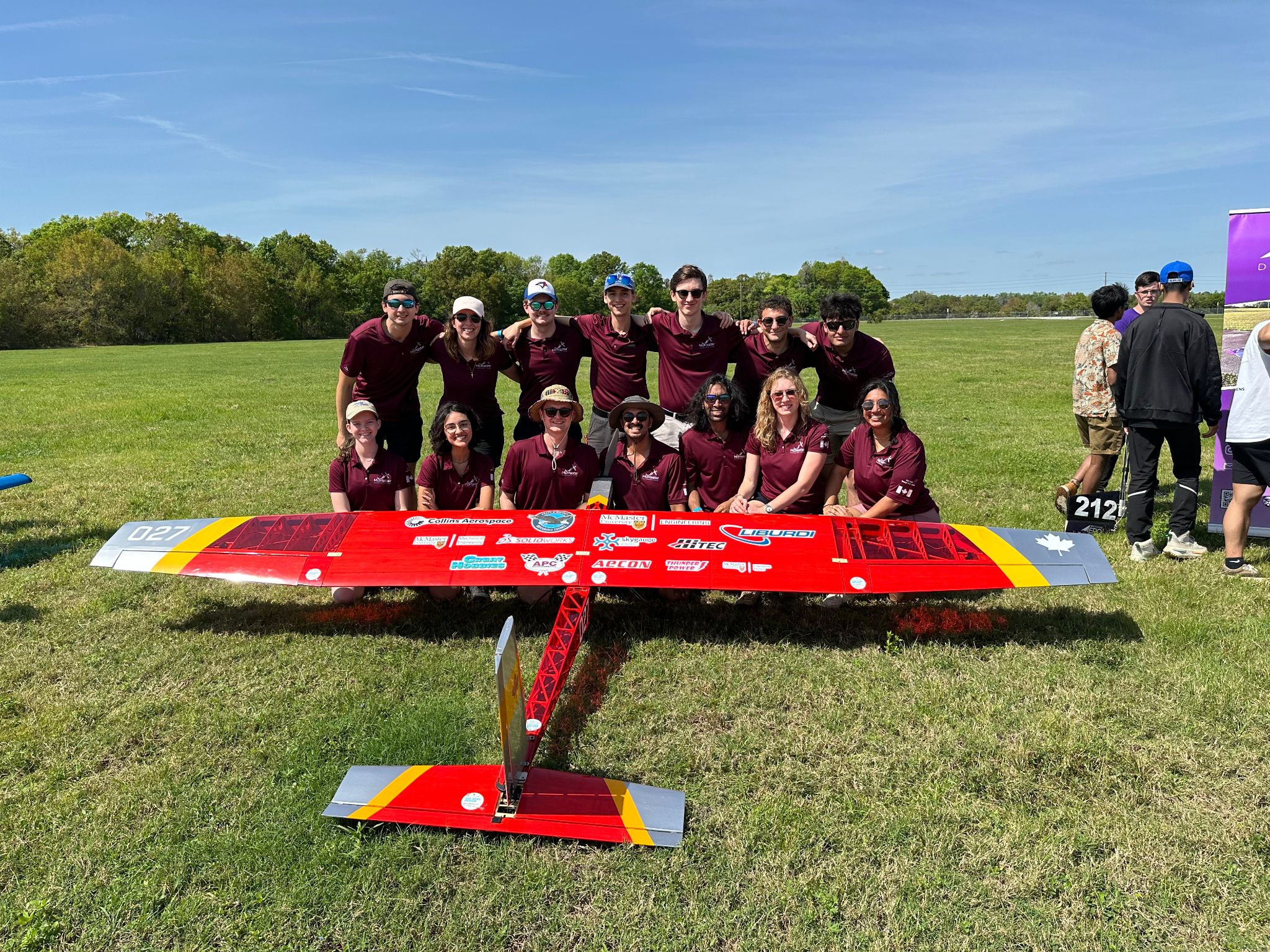
Designing and building a 15-foot unmanned aircraft for the SAE Aero Design competition — and improving the design through analysis and physical testing.
The brief
Improve a design that already works.
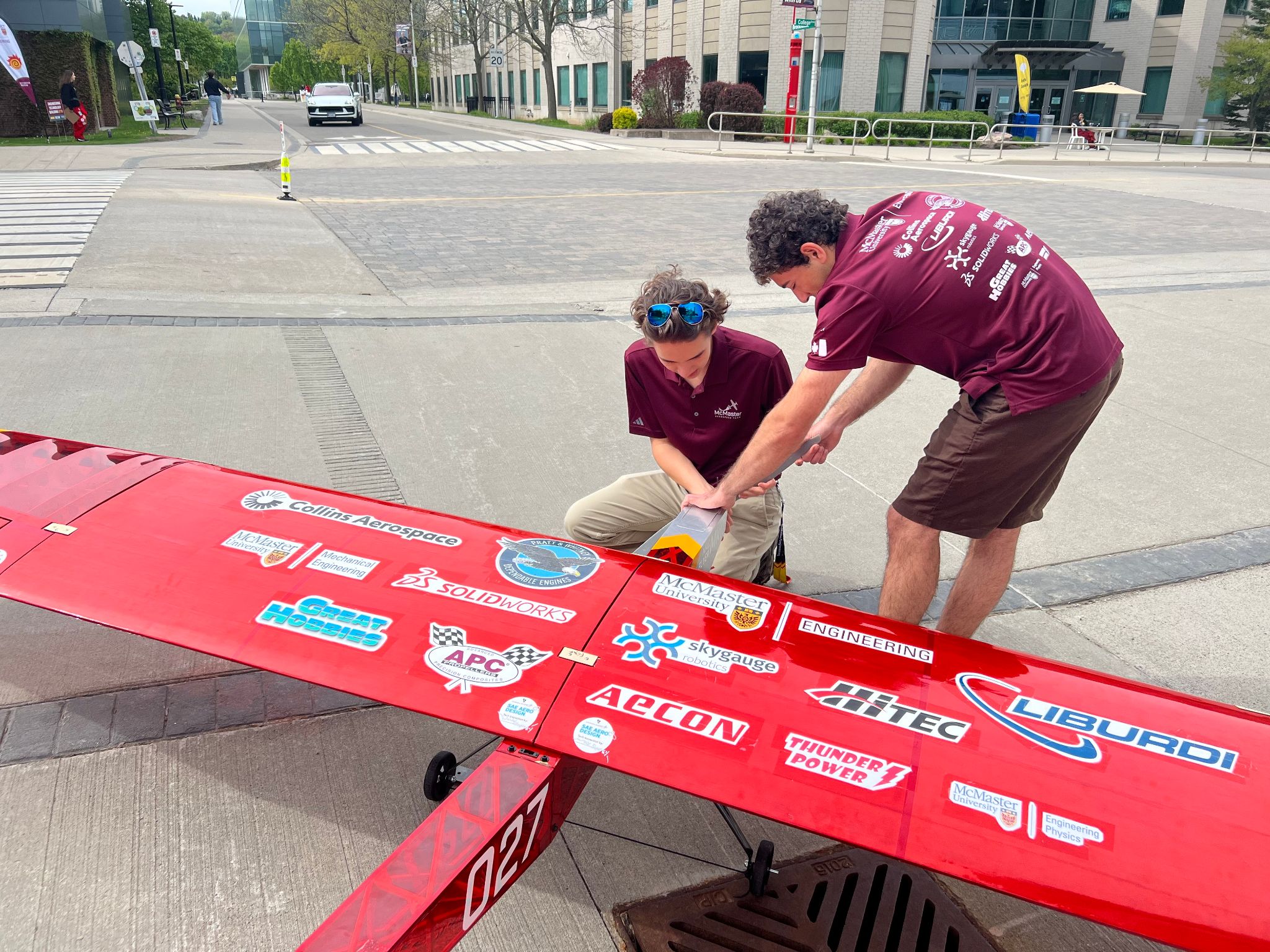
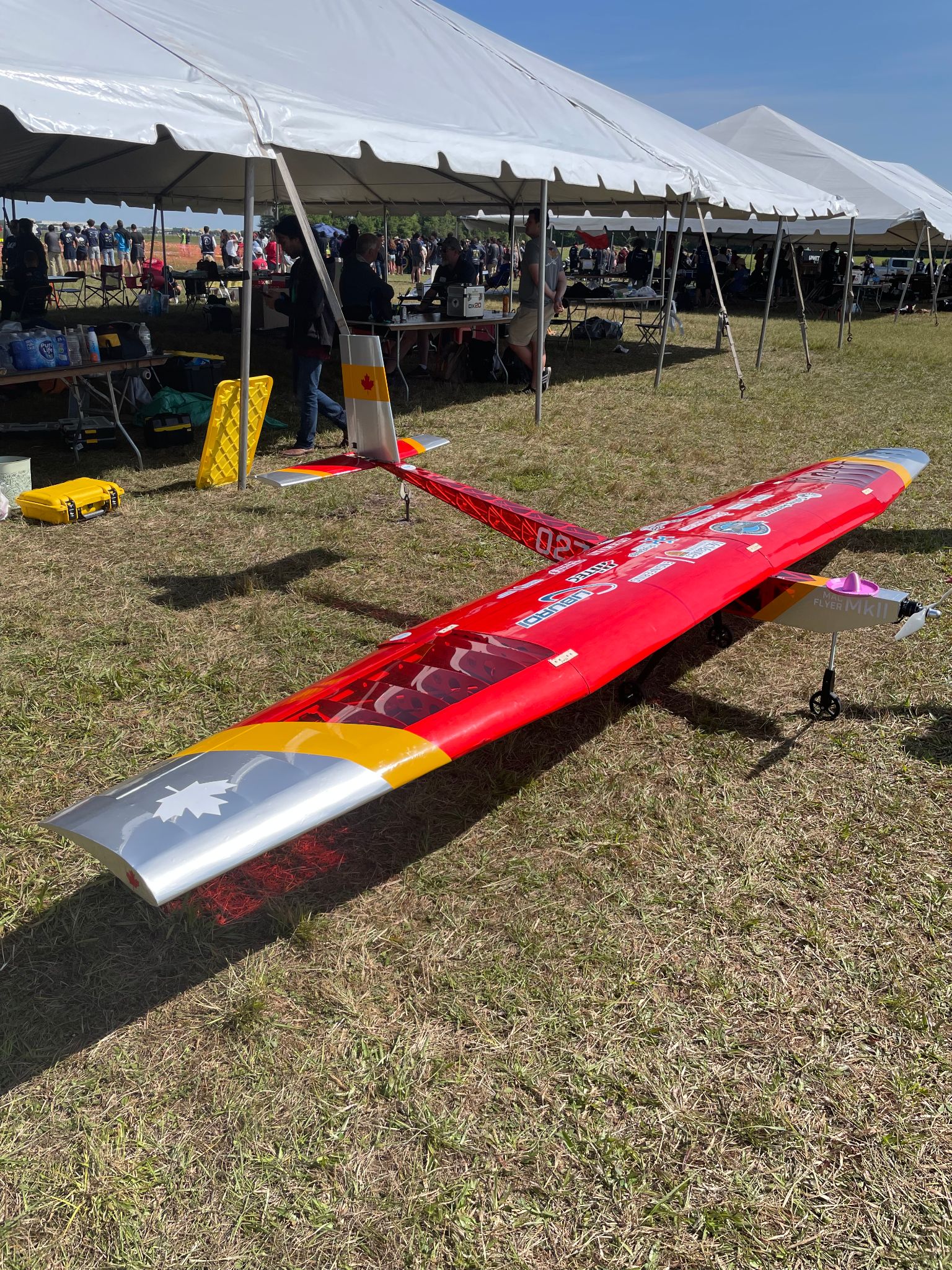
In Year 3 with the McMaster Aerospace Team, I continued work on the Payload & Landing Gear area of a 15-foot unmanned fixed-wing aircraft. The focus shifted from simply producing a design toward understanding how to improve it while keeping weight, performance and practical testing in view.
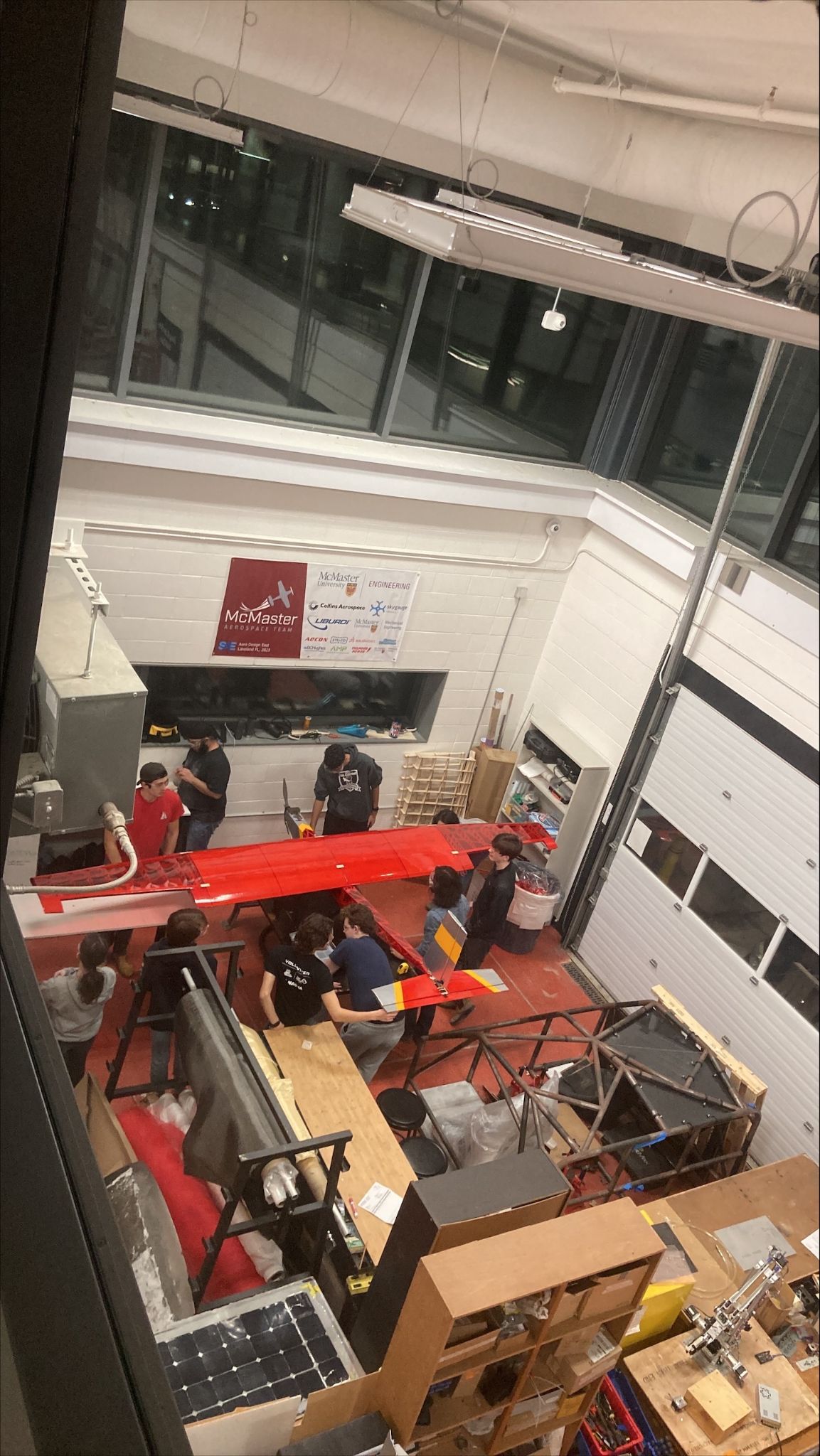
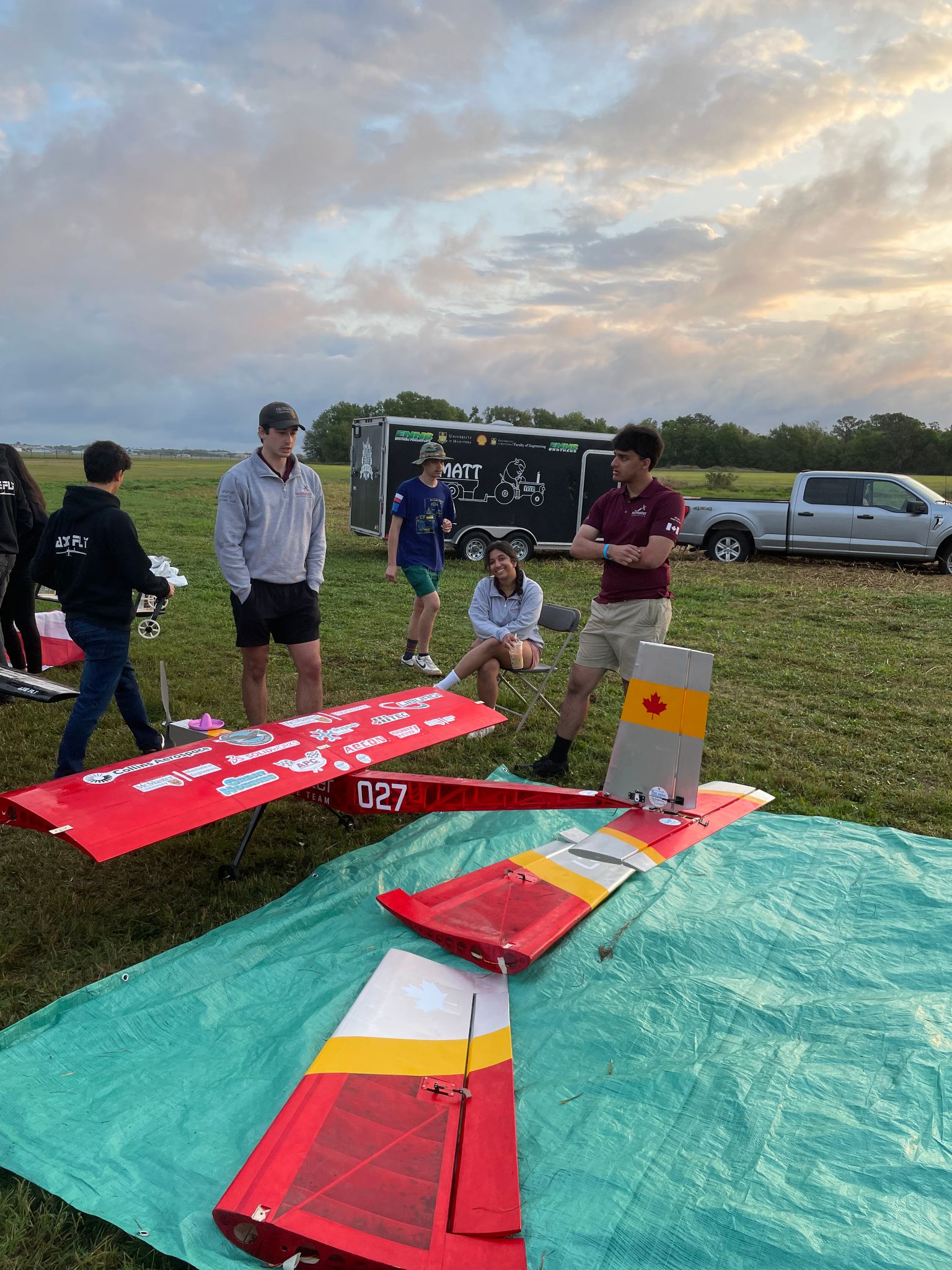
The broader MAST project is built around designing and constructing a new aircraft for the SAE Aero Design East competition, with payload capacity and takeoff performance central to the challenge.
Design
Optimize useful performance without carrying unnecessary mass.
I further optimized the previous year’s design, looking for ways to increase desirable characteristics while reducing weight. This meant balancing subsystem performance with the realities of manufacturing, assembly and the aircraft’s overall weight budget.
Analysis
Make simulation more useful for decisions.
I improved the team’s analysis and simulation software so the results better represented the conditions we were trying to understand. The work included modeling landing impacts, deformation, wheel sizing and payload placement.
Testing
Build a way to reproduce landing conditions.
I developed a drop-testing stand to simulate aircraft landing conditions at different speeds and angles. The intent was to complement simulation with physical evidence about how the landing gear behaves under representative conditions.
Project gallery
From concept to evidence.